1. How Old Is Your HVAC System? Understanding Its Average Lifespan
Most HVAC systems last 10–15 years, depending on maintenance and usage. In Douglas County, where 69% of homes were built before 1990, many properties still rely on older systems that may be nearing the end of their life.
Think of your HVAC system like a vehicle: with regular maintenance, it runs smoothly for years — but once it gets high mileage, even simple trips can strain the engine. The same goes for your home comfort system; no matter how well you maintain it, age eventually catches up.
If your heat pump or furnace is more than a decade old, it’s worth starting to budget and plan ahead. Replacing an aging system before a breakdown helps you avoid emergency costs — and ensures your home stays comfortable all year long.
2. Frequent or Costly Repairs: When Fixing Isn’t Worth It Anymore
If you’ve had to call for repairs more than once in a year, or if a single repair costs more than 30–40% of a new system, replacement is often the smarter long-term move.
According to an ACHR News homeowner survey, 80% of homeowners choose to replace HVAC equipment after multiple repairs, even before total failure. Continuing to fix an old system can be like patching a leaky roof every rainy season — it might buy you time, but eventually, the costs outweigh the benefits.
In older Oregon homes, aging ductwork, corrosion, and outdated parts make recurring problems more common — and costly.
3. Check Your HVAC Warranty Before Deciding on Replacement
Your warranty status can make a big difference in repair vs. replacement costs. Most new systems carry 10-year parts warranties, but older systems may be long out of coverage.
If your warranty has expired — and your HVAC equipment is approaching or beyond 15 years — investing in another large repair may not make financial sense. Instead, upgrading to a new system offers long-term reliability and renewed warranty protection.
4. Rising Energy Bills: Are You Paying More to Stay Comfortable?
Heating and cooling represent a major share of Oregon’s home energy use. The Oregon Department of Energy (ODOE) reports that 64% of a typical home’s total energy consumption goes to space heating and cooling.
That means an inefficient HVAC system has a huge impact on your bills. In Douglas County, the average household uses 11,434 kWh of electricity annually — and in Coos County, about 69% of homes rely on electricity as their primary heating source.
If your energy costs keep climbing, an outdated system could be the culprit. Running an older HVAC unit is like driving a pickup that guzzles gas — it’ll get you there, but you’re paying more every time.
New, high-efficiency systems can reduce energy consumption by up to 30%, lowering your monthly bills while improving comfort and air quality.
5. Inconsistent Temperatures, Poor Airflow, and Indoor Air Quality
Uneven temperatures are one of the first signs that your HVAC system is struggling. You might notice that some rooms stay cool while others overheat, or that your system runs constantly without maintaining the right temperature.
This is especially common in Oregon’s older housing stock. Across Douglas and Coos counties, where the majority of homes were built before 1990, insulation and duct design often weren’t optimized for today’s equipment.
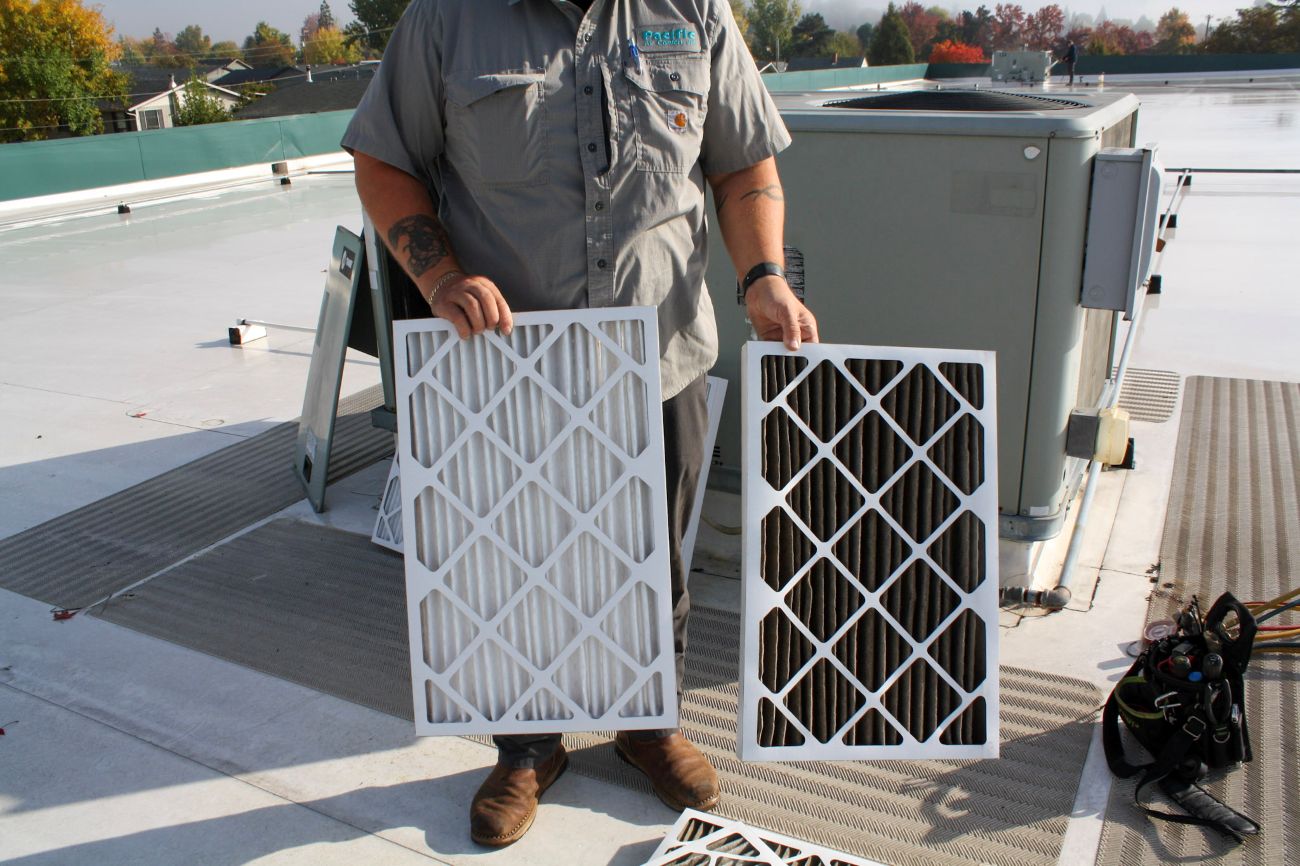
Beyond comfort, your HVAC system also affects indoor air quality (IAQ). If your home feels dusty, you’re constantly battling allergy symptoms, or you notice a musty odor, your system may not be filtering air effectively. Poor airflow can allow dust, mold spores, and humidity to build up — especially in our damp coastal and valley climates.
A new, properly sized system with upgraded filtration and dehumidification can make a world of difference. Think of it like swapping out an old window screen full of holes for a clean, tight one — the air passes through easily, but the dust and debris stay out.
Modern variable-speed systems also adjust airflow continuously, maintaining consistent temperatures and cleaner, fresher indoor air throughout your home.
6. Strange Noises or Odors: Warning Signs of System Failure
If your system is making banging, rattling, or squealing noises — or you notice a musty or burning smell — it’s time to schedule an inspection. These issues often point to worn-out components or electrical problems.
Strange HVAC noises are like a car engine rattle — you can ignore it for a while, but sooner or later, it turns into a breakdown. Replacing the system ensures reliability and restores quiet, consistent comfort.
7. Outdated Technology and Efficiency Upgrades: Don’t Miss Out on Rebates
Modern HVAC systems are more energy-efficient and smarter than ever. Many Oregon homeowners are discovering that new systems with variable-speed compressors and smart thermostats deliver better comfort while using far less energy.
Upgrading can pay off even faster thanks to generous rebate programs:
- Energy Trust of Oregon offers cash rebates for qualifying high-efficiency furnaces, air conditioners, and heat pumps.
- Local utilities such as Pacific Power, Avista, and Lane Electric Cooperative offer additional rebates and financing.
- In Lane County, homeowners can qualify for zero-interest loans up to $15,000 for heat pump installations.
- The Inflation Reduction Act adds potential federal tax credits for energy-efficient systems.
According to the Oregon Department of Energy, replacing an old HVAC system with a properly sized, efficient heat pump can deliver 31–47% annual energy savings, and up to 52% when paired with insulation upgrades.
8. Environmental Impact: How Efficient Systems Support a Greener Oregon
Oregon ranks as the 9th most energy-efficient state in the U.S., thanks to homeowner upgrades and strong local programs. In fact, efficiency improvements across the Pacific Northwest reduced power demand by 19% in 2023 compared to baseline forecasts.
Upgrading your HVAC system is like switching from incandescent bulbs to LEDs — you get the same comfort for a fraction of the energy. It’s a small step with a big environmental payoff.
9. Repair Costs vs. Replacement Costs: Doing the Math
According to HomeAdvisor, the average HVAC repair costs around $350, while full system replacements range from $5,000 to $12,500 depending on system size and efficiency.
When you factor in rebates, energy savings, and warranty coverage, replacement often delivers better long-term value. Homeowners in Lane and Douglas counties can further reduce costs by taking advantage of Energy Trust of Oregon and local utility incentives, which can offset hundreds or even thousands of dollars from installation.
10. Get an Expert HVAC Inspection Before You Decide
Before committing to a replacement, schedule a professional inspection. An experienced HVAC technician can evaluate your system’s performance, energy efficiency, and expected lifespan.
At Pacific Air Comfort, our team has served homeowners across Douglas, Coos, and Lane counties for decades — from Roseburg to Coos Bay to Eugene. We know the local climate, housing stock, and rebate programs that matter most. We’ll give you an honest assessment so you can make a confident, informed decision about your home’s comfort.
11. Final Thoughts: Making a Smart, Comfortable Choice
If your HVAC system is over 10–15 years old, needs frequent repairs, or causes uneven comfort and high energy bills, it’s time to consider replacement.
In our region, where up to 36% of households are “energy burdened” (spending more than 6% of income on utilities), energy efficiency upgrades can make a real difference — improving both comfort and affordability.Before you decide, explore local utility rebates and Energy Trust of Oregon incentives that can reduce your upfront costs. With Pacific Air Comfort’s expert guidance, you can upgrade on your schedule, take advantage of savings, and enjoy a quieter, cleaner, more efficient system built for Oregon’s unique climate.